What we supply
Semi-trailers, commercial trucks, and trailer parts



Get export-ready trucks and trailers engineered for demanding jobs, from mining haulage and construction sites to bulk cargo and cross-border transport.
Quick buyer answers
A useful quote starts with the product type, cargo, payload, route, quantity, and destination requirements.
Share the product type, cargo, target payload, quantity, destination, and road conditions so the team can prepare a workable recommendation.
Payload, axle limits, road surface, gradients, climate, and practical maintenance requirements are reviewed before a configuration is recommended.
Dimensions, axle and suspension layout, deck or tank format, selected components, branding, inspection requirements, and required export documents can be reviewed before production.
Scope and timing are confirmed for each project in the quotation and order documents. Export documentation, parts support, and technical follow-up are organized for the destination and order.
Share these four details so the team can prepare a useful configuration and quotation.
Product type
Trailer or truck family, model, or reference.
Cargo and payload
Cargo type, target payload, and loading method.
Destination and roads
Destination market, road surface, gradients, and climate.
Quantity and target
Required units and preferred delivery target.
Verified buyer answer
Kales Vehicle is a factory-direct supplier of heavy-duty trailers, trucks, and parts for importers, distributors, contractors, and fleet operators.
What we supply
Semi-trailers, commercial trucks, and trailer parts
Who we support
Importers, distributors, contractors, and fleet operators
Where we deliver
Africa, Latin America, Central Asia, and Southeast Asia
How we work
Specification review, production coordination, export documents, and technical follow-up
Kales Vehicle is a China-based manufacturer and export supplier of heavy-duty semi-trailers, commercial trucks, and trailer parts. The company helps importers, distributors, contractors, and fleet operators choose equipment for mining, construction, bulk cargo, container transport, and regional logistics. Its product range includes lowboy and flatbed trailers, tankers, dump trailers, skeletal chassis, tractor trucks, and custom OEM builds. Buyers can share cargo type, target payload, axle limits, route conditions, destination, and quantity to receive a configuration-focused quotation. Kales reviews dimensions, suspension, braking, materials, branding, inspection needs, and export documents before production. This approach is suited to demanding roads in Africa, Latin America, Central Asia, Southeast Asia, and other export markets where serviceability and parts availability matter. The factory team supports specification review, production coordination, shipping documents, and technical follow-up. Product pages provide model-specific dimensions and use cases, while the sales team confirms the final scope and delivery schedule for each order.
Product shortlist
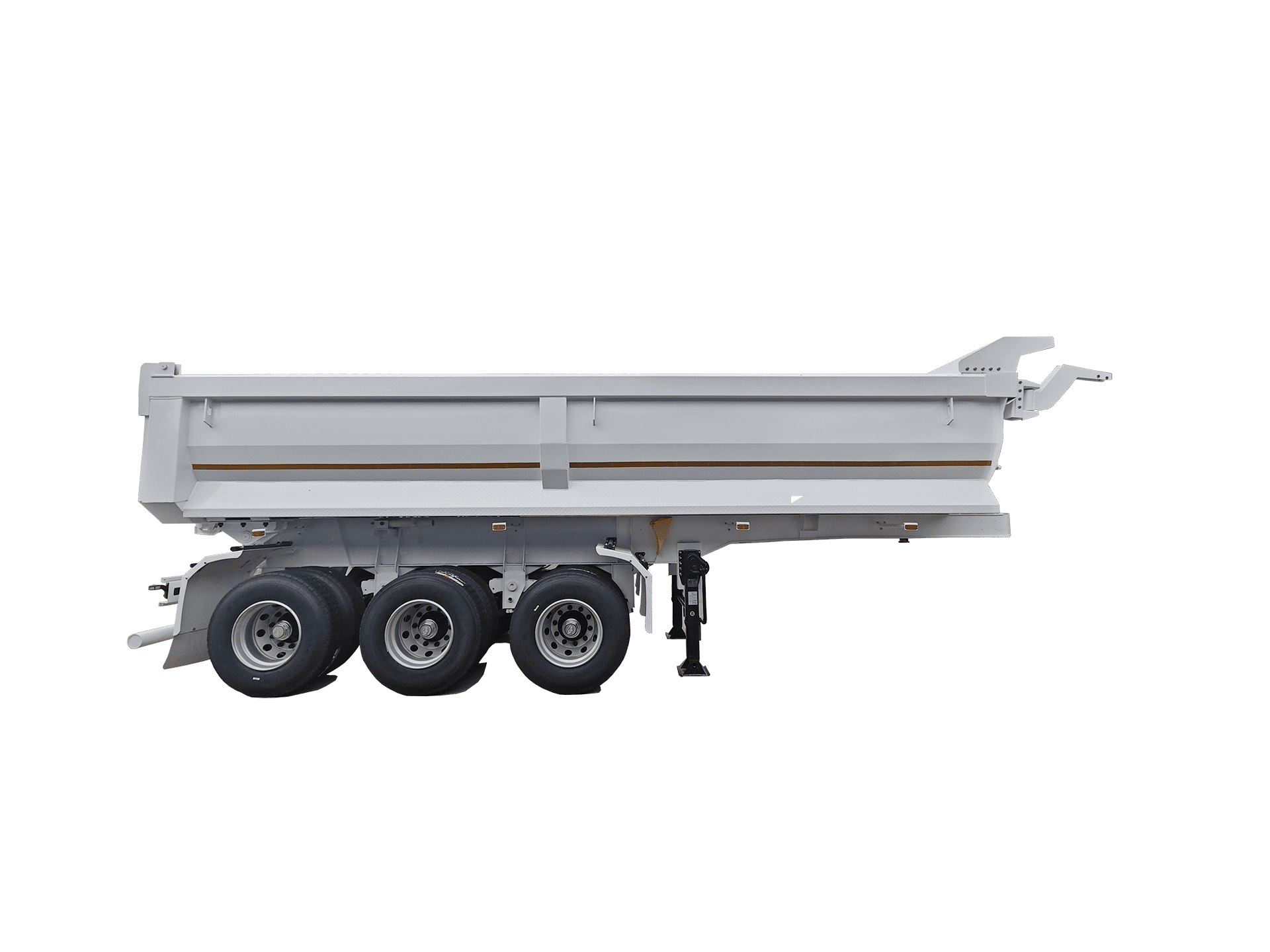
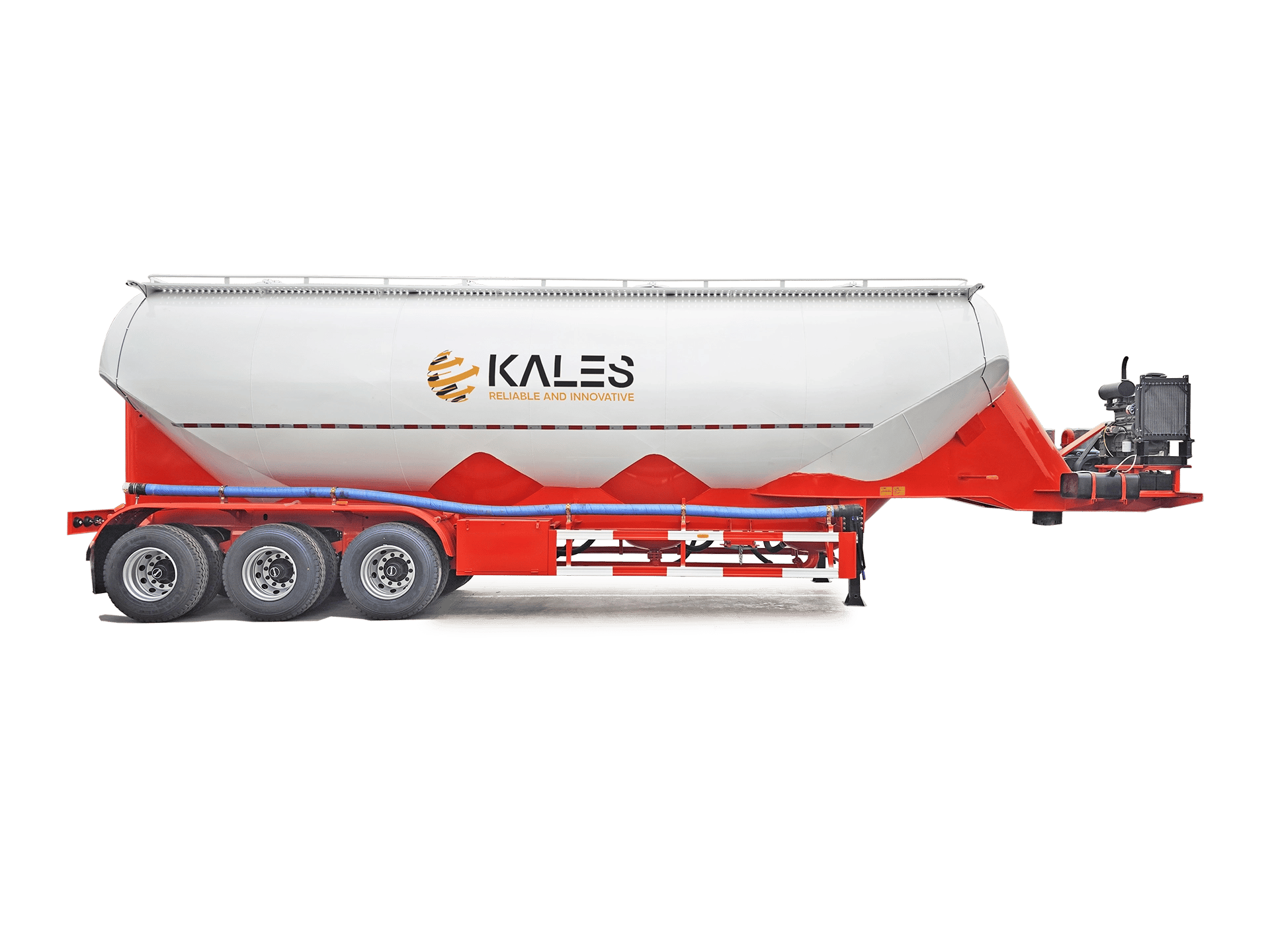
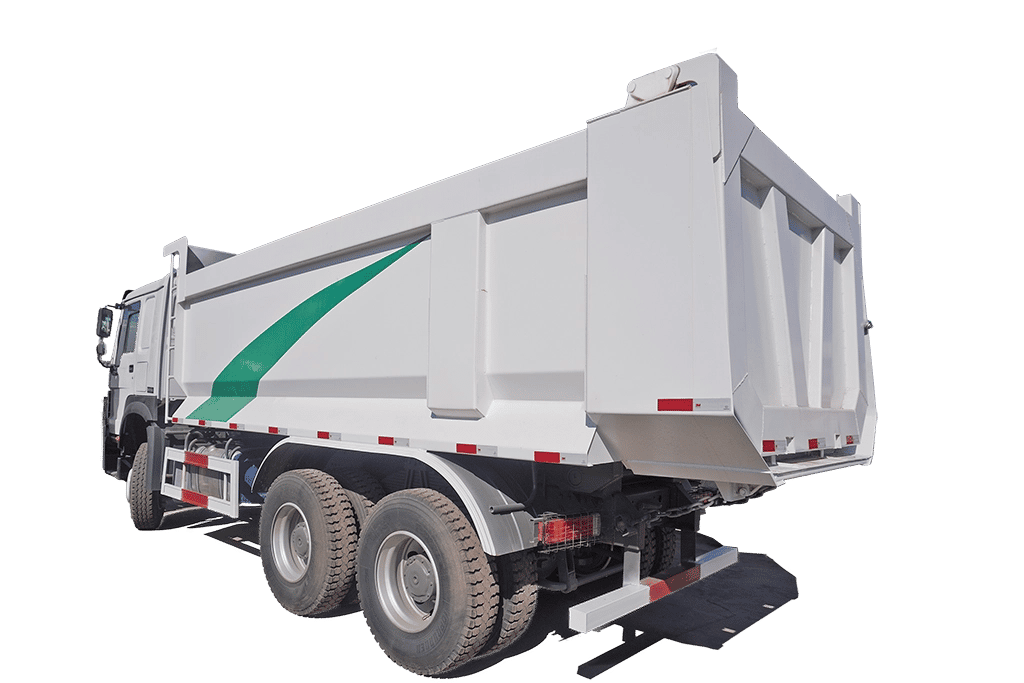
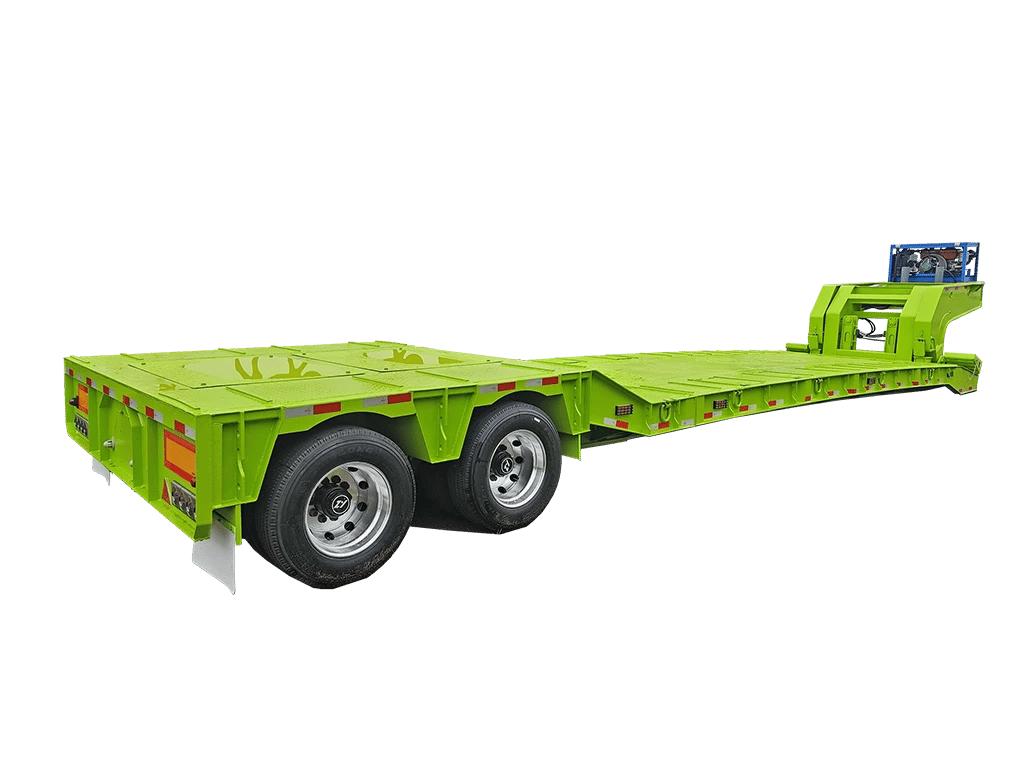
Four practical starting points for mining, bulk transport, commercial fleets, and oversized machinery. Final selection depends on cargo, payload, route, and operating conditions.
Built for export buyers
Factory-direct trailers, trucks, and transport equipment matched to your route, payload, and market, with practical customization and one clear point of contact.
Custom configurations
Axles, suspension, dimensions, and components are confirmed around the route, payload, and transport task.
Route-ready durability
The configuration accounts for heavy loads, long routes, road surfaces, and practical maintenance.
Coordinated supply
One factory team coordinates equipment, spare parts, documentation, and export delivery.
Structural performance
Reinforced chassis design for heavy loads, rough roads, and long service cycles.
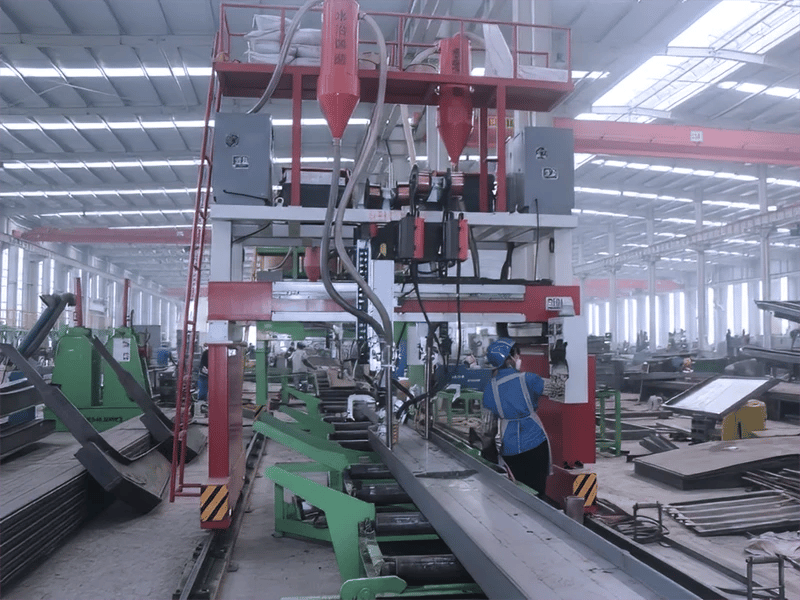
Steel grade, web-plate reinforcement, and welding methods are selected around trailer model, payload, and road conditions.
High-tensile steel
Material grade matched to application and payload.
Reinforced web plates
Critical beam areas strengthened for route stress.
Structural inspection
Weld quality and alignment checked before shipment.
Standard semi-trailer models (flatbeds, skeleton chassis, standard dump trailers) are completed within 20 to 35 working days following CAD drawing approval and deposit. Expedited batches (15-20 days) are supported for fleet repeat orders, accompanied by comprehensive factory pre-delivery inspection (PDI) and brake bench testing.
Our standard payment structure is T/T: 30% deposit upon contract confirmation and technical drawing sign-off, with the remaining 70% balance paid after final inspection (with photos/videos provided) prior to factory dispatch. Irrevocable Letters of Credit (L/C at sight) are also accepted for government and large enterprise contracts.
Warranty scope, duration, exclusions, and claim handling are confirmed for each product and order in the quotation or contract. Ask for the applicable terms before placing an order. Technical guidance, parts support, and dispatch timing are confirmed separately.
Before you order
Production timing, payment structure, and warranty support are clarified before technical confirmation.
View all FAQs